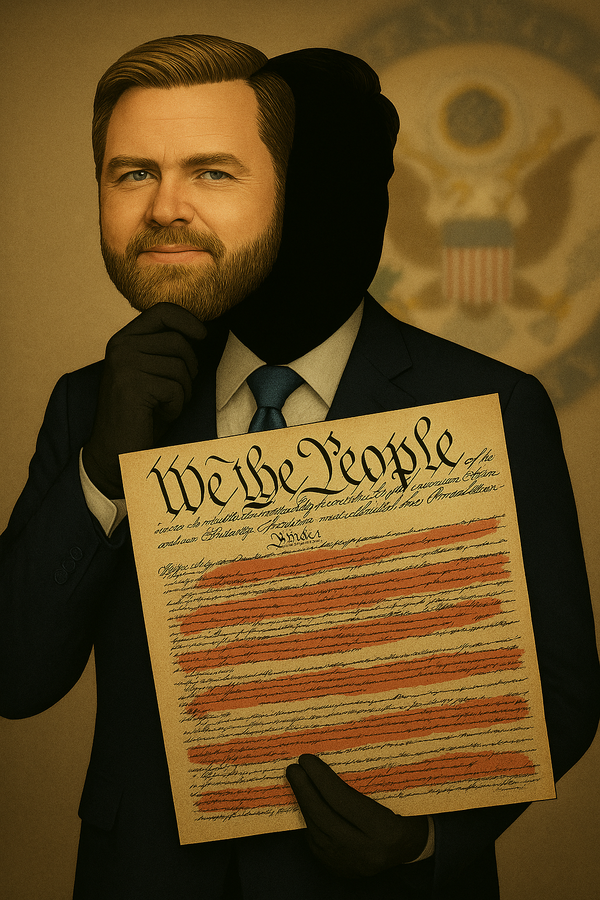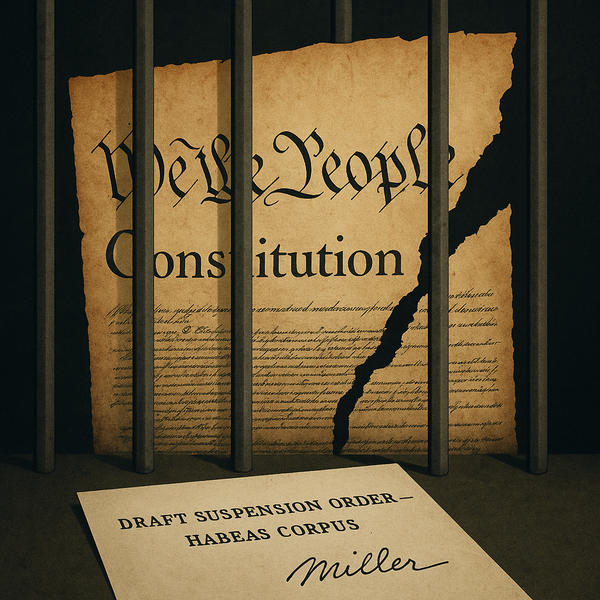
See It Now: How Data Centralization Became America's Quietest Power Grab
A quiet revolution in American surveillance is underway—not by law, but by unchecked access. Whistleblowers are being silenced. Data is being centralized. And the question is no longer if it will be misused, but when.

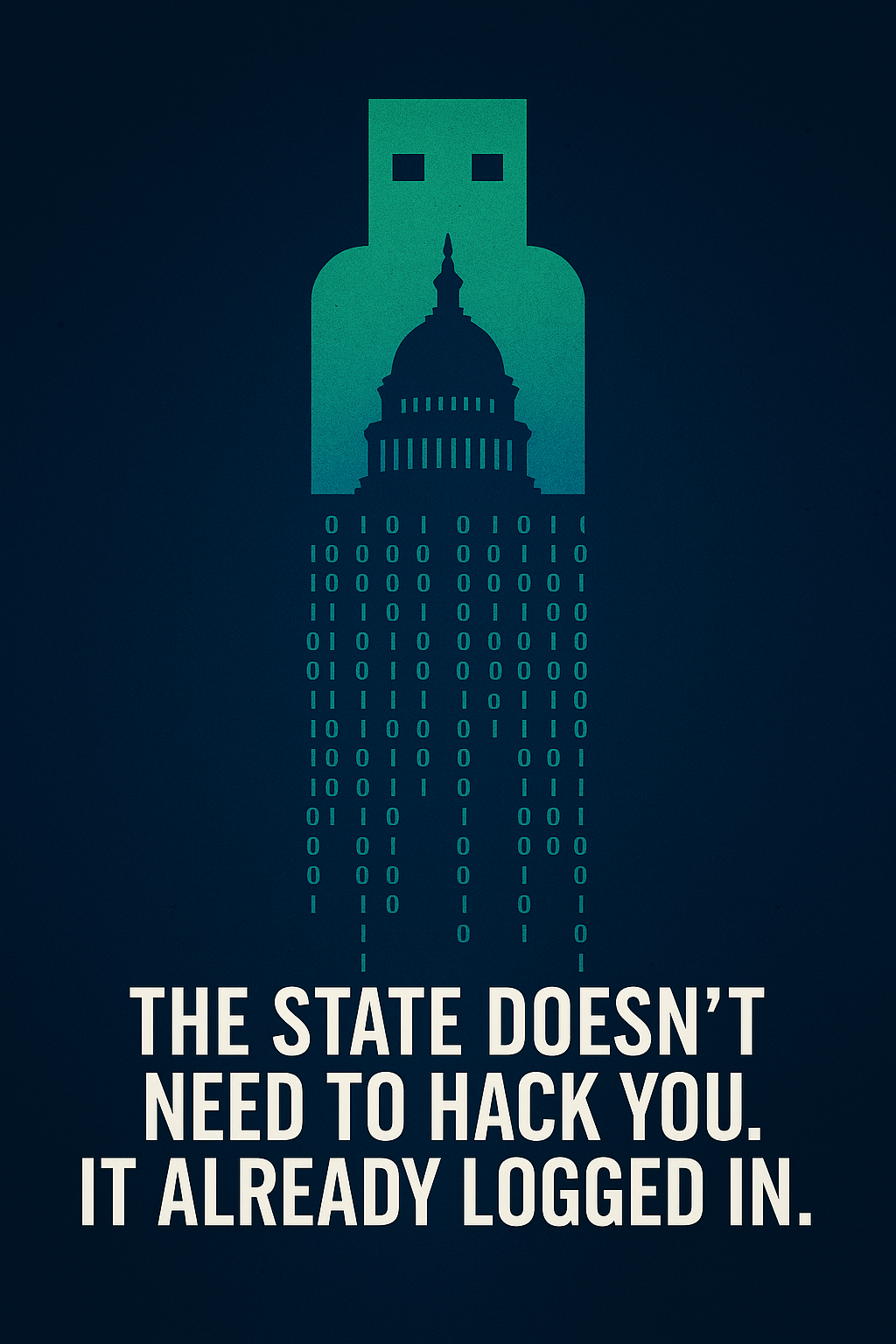
Today we examine what may be the most comprehensive effort to gather, centralize, and potentially weaponize the private information of American citizens in our nation's history. Not through legislation, not through court order, not through public debate—but through administrative fiat, carried out in the shadows by individuals accountable only to themselves.
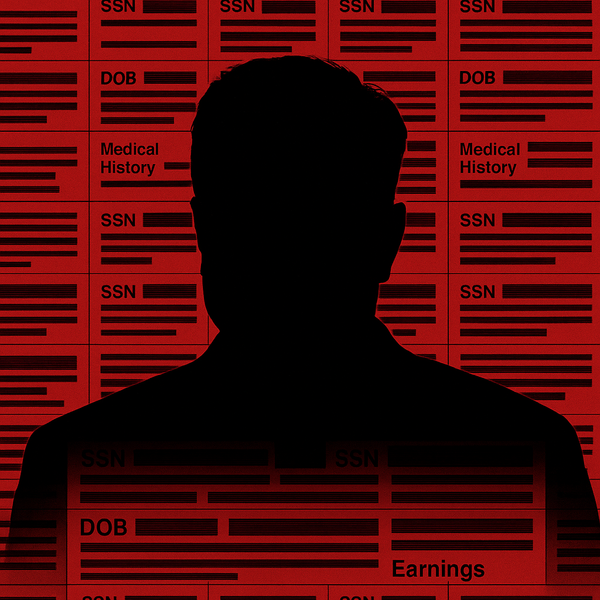
The facts, as reported by The Washington Post and Reuters, reveal a pattern that should concern every American regardless of political affiliation. Elon Musk’s Department of Government Efficiency—DOGE—is systematically accessing, merging, and extracting vast troves of sensitive data across federal agencies: Social Security records, tax information, medical diagnoses, employment histories, and more.
According to government workers who spoke to the Post, DOGE officials “can add new accounts and disable automated tracking logs at several Cabinet departments.” In one reported case, 10 gigabytes of sensitive data—including proprietary business information, union organization records, and private affidavits—was extracted from the National Labor Relations Board.
When staff attempted to report this to cybersecurity authorities, they were silenced. One whistleblower even received a threatening note taped to his door with drone photographs of him walking near his home.
What is being built is nothing less than a central repository of Americans' most sensitive personal information, with minimal security protocols, little oversight, and an unclear purpose beyond the vague mandate of “efficiency.”
History provides troubling precedents.
In the 1950s, J. Edgar Hoover’s FBI maintained secret files on American citizens—not for law enforcement, but for political leverage and control. The Church Committee revealed how that unchecked surveillance power targeted civil rights leaders, antiwar activists, and political dissenters.
In East Germany, the Stasi maintained dossiers on millions—private data used as tools of coercion and fear, all justified by “state security.”
Even the U.S. Census Bureau, in the 1940s, provided names and addresses of Japanese Americans to facilitate internment. The bureau later apologized. The damage had long been done.
What distinguishes DOGE is not intent—which remains opaque—but scale and technological capability. Never before has so much data been centralized outside normal oversight.
Federal employees say DOGE staffers return “triumphant” from their database conquests. Security protocols are bypassed. Monitoring systems disabled. Objections silenced.
When a private citizen can access Treasury payment systems, OPM records, and Social Security medical data—to what end?
When traditional data-sharing safeguards—public notices, computer matching agreements, legislative permissions—are skipped, by what authority?
Alan Butler of the Electronic Privacy Information Center called it a “data breach of exponential proportions.”
Mary Ellen Callahan, former DHS Chief Privacy Officer, warned:
“Once control of this data is lost, we’ve lost control forever.”
The White House insists these tools are protected by “some of the brightest cybersecurity minds in the nation.” But infosec experts disagree. Charles Henderson said it best:
“Putting all your eggs in one basket means I don’t need to go hunting—I can just steal the basket.”
This is the silent dismantling of privacy protections built over decades:
- The Privacy Act of 1974
- The Federal Information Security Modernization Act
- The Fourth Amendment
All not repealed, just ignored.
This isn’t about efficiency.
It’s about power—the power to know everything about everyone, while remaining unknowable yourself.
“The greatest dangers to liberty lurk in insidious encroachment by men of zeal, well-meaning but without understanding.”
— Justice Louis Brandeis
Good night, and good luck.
Channeling Murrow’s voice for today’s America — not his words, but his principles.