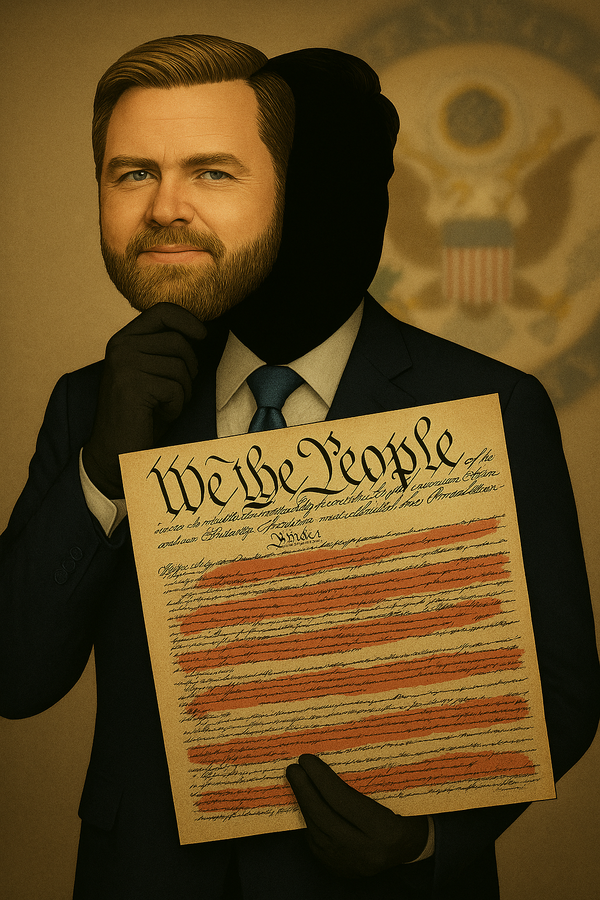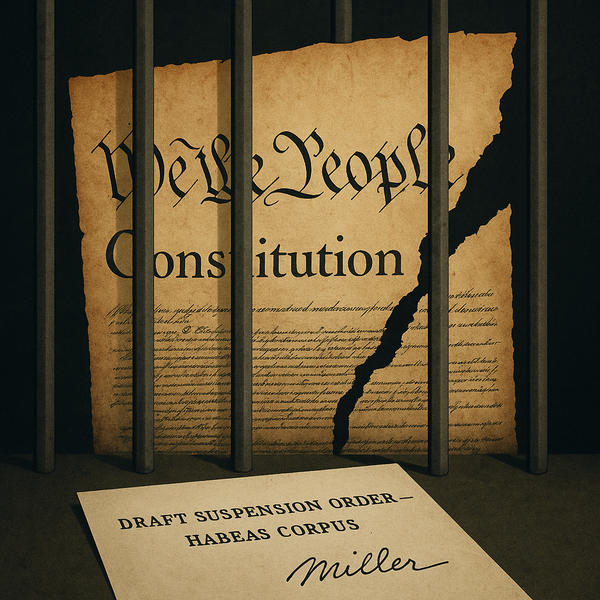
See It Now: The Hypocrisy Protocol
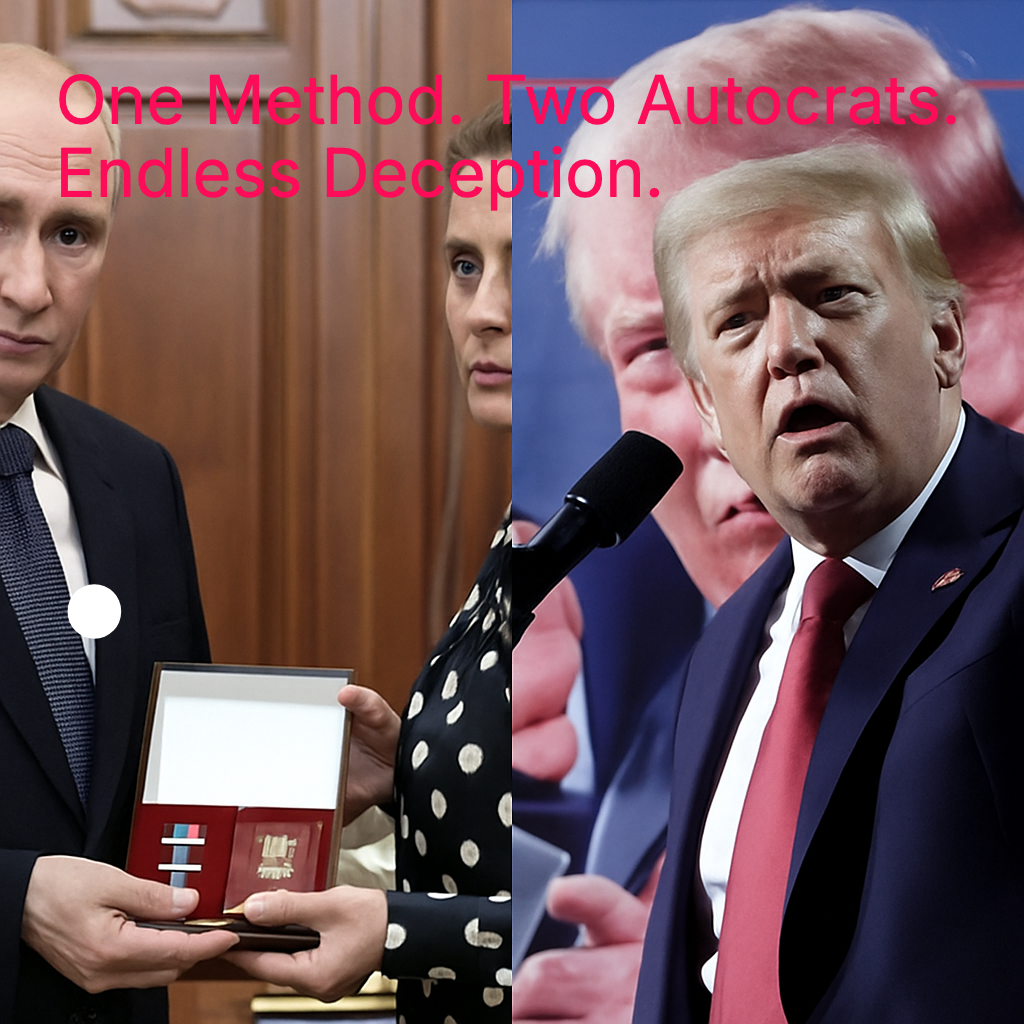
Across oceans, two strongmen use the same script. One rules with silence, the other with noise. Both blur truth into theater—and both test the limits of what we’ll believe.

Good evening.
Tonight we examine one of the most breathtaking acts of political theater on the world stage: a Russian president who accuses the West of moral bankruptcy for its materialism while presiding over one of the most corrupt and unequal societies in the developed world.
This is not merely a story about Vladimir Putin's propaganda. It is about the methods of mind control that transcend borders and how they are being deployed with alarming similarity by those who claim to stand for American values.
The facts, as we know them, are these: In official statements and through state media, Putin regularly portrays Russia as a bastion of traditional values and moral superiority, contrasting this with what he characterizes as Western decadence and materialism. "Today some countries are cynically destroying the institution of the family," he declares, positioning Russia as the defender of "normal human values."
Meanwhile, in the Russia that Putin has built over two decades, the top 1% of citizens control an estimated 46% of the nation's wealth—a concentration even greater than in North America. Two-thirds of Russians earn less than $415 a month while oligarchs with close ties to the Kremlin amass fortunes measured in billions.
On International Women's Day this year, events across Russia celebrated the mothers of soldiers killed in Ukraine, framing their deaths as noble sacrifices for the "Motherland." The Russian Orthodox Church has now officially declared the invasion a "Holy War" against Western liberalism and moral decay.
This is not merely propaganda—it is the "firehose of falsehood," designed not to convince through logic but to overwhelm through volume and repetition.
What makes this story relevant to Americans is not just its audacity but its familiarity. The techniques being deployed by Putin—flood the zone with contradictory claims, undermine trust in institutions, emotionally manipulate audiences through appeals to victimhood and righteousness, create the illusion of consensus through amplification—are being employed with tactical precision by the current administration.
When an American president attacks the press as "fake news," when he claims to represent "the people" while implementing policies that primarily benefit the wealthy, when he positions legitimate criticism as persecution, he is not merely copying from Putin's playbook—he is implementing its core strategies.
This is not about policy disagreements or partisan politics. It is about the manipulation of truth itself. When repetition replaces evidence, when emotion replaces reason, when loyalty replaces accuracy, democracy itself begins to suffocate.
In Russia, we see how effective these techniques can be. Polls show significant public support for a war that has devastated the Russian economy and cost countless lives. The gap between rhetoric about moral superiority and the reality of corruption and inequality should be glaring, yet many accept the narrative. This is the power of controlled information and psychological manipulation.
Americans might assume themselves immune to such tactics. History suggests otherwise. The same human vulnerabilities that allow Russians to accept contradictions—the desire for simple explanations, the pull of national pride, the comfort of clear enemies—exist in all societies.
The danger is not merely in the lies themselves but in our growing inability to recognize them as such—in the creeping acceptance of contradiction as normal, in the subtle shift from asking "Is this true?" to merely asking "Does this confirm what I already believe?"
See it now: Two nations separated by oceans but connected by methods of mind control. Two leaders claiming moral authority while demonstrating moral flexibility. Two peoples at risk of losing the ability to distinguish between reality and its carefully constructed alternative.
The question is not whether we can identify propaganda abroad, but whether we can recognize it when it reaches our shores, cloaked in familiar symbols and appealing to our deepest biases and fears.
Good night, and good luck.
Channeling Murrow's voice for today's America - not his words, but his principles.