This is America: The Real Coup is Hidden in Plain Sight
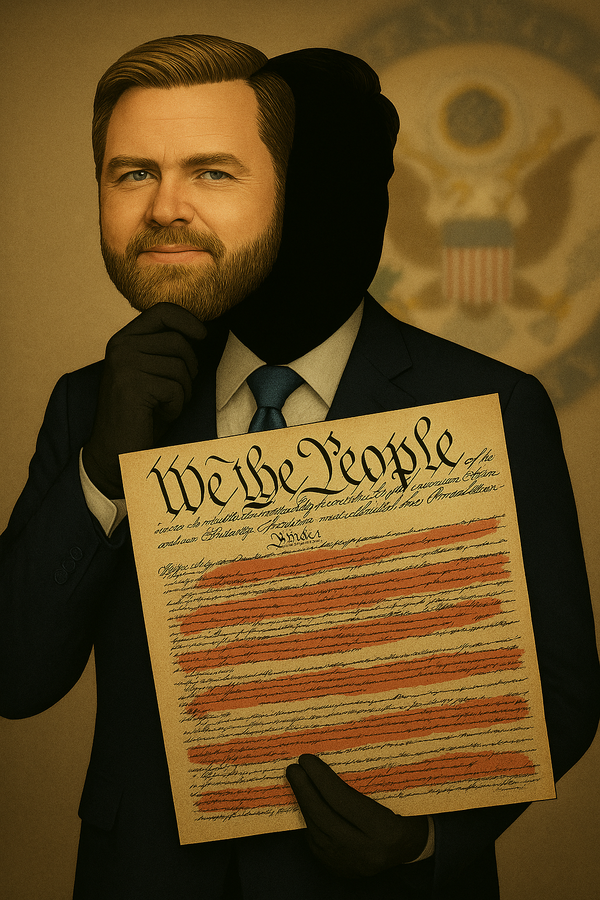
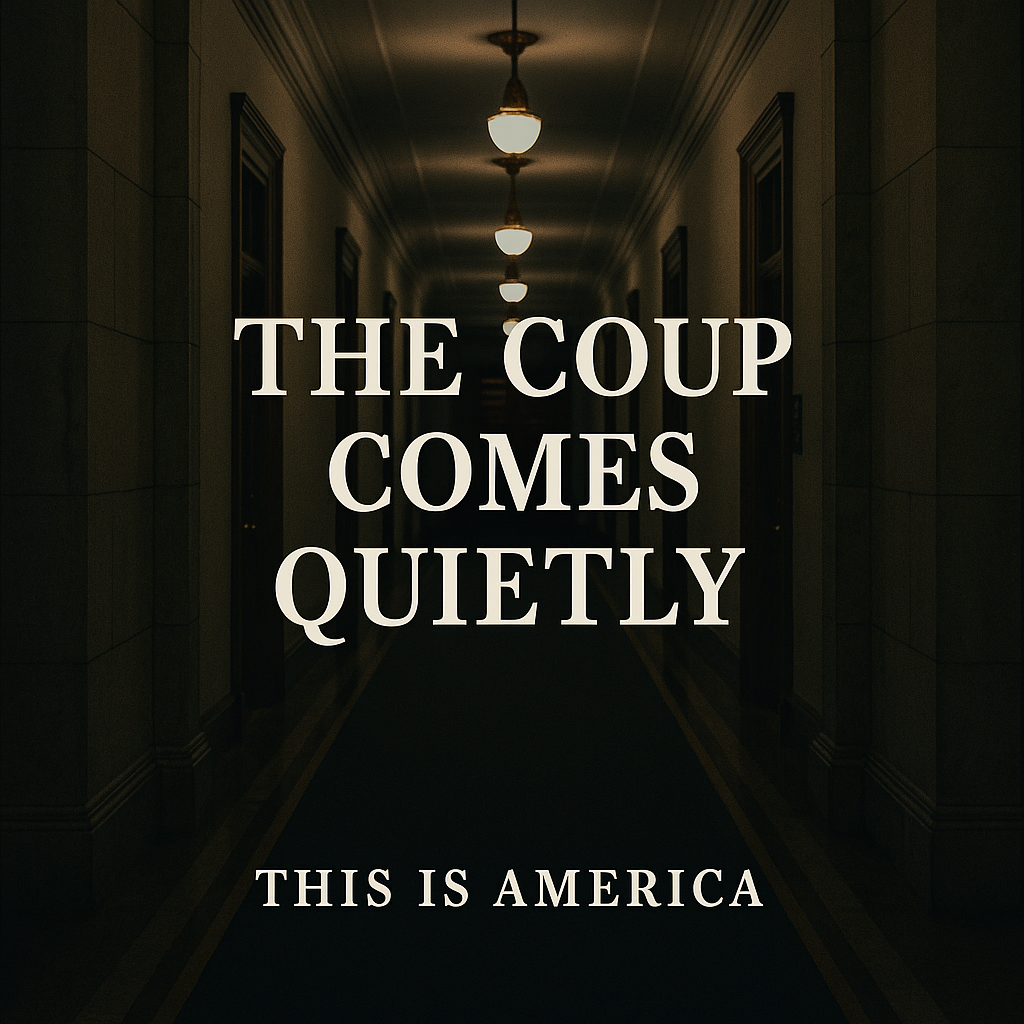
The real coup is quiet. As the FEC shuts down and oversight fades, democracy erodes not by force, but by vacancy.

Good evening.
While the nation's attention ricochets between tariff announcements and midnight tweets, a quieter form of constitutional erosion unfolds—one that strikes at the very foundation of democratic governance. Last week, the Federal Election Commission, the agency responsible for ensuring transparency and fairness in our electoral process, enters a de facto shutdown. Not through legislative action or budget battles, but through strategic vacancy.
This is not accidental. It represents a pattern we've witnessed across multiple agencies and institutions: the systematic hollowing out of oversight mechanisms designed to check executive power. One by one, the watchdogs of democracy fall silent—not through dramatic abolition of the IRS, the State Department, the Environmental Protection Agency—but through deliberate emptiness.
We've seen this technique before in history. Stalin didn't need to destroy the apparatus of Soviet governance; he simply installed loyalists who made independent oversight impossible. But even more relevant is the Weimar Republic's gradual disassembly—not through one dramatic seizure of power, but through a thousand small acts that rendered democratic safeguards ineffective before most citizens noticed they were gone.
What makes this moment particularly dangerous is the velocity of institutional dismantling combined with the deliberate distraction of constant crisis. While citizens debate the latest controversial pronouncement, the machinery that enables self-governance quietly grinds to a halt. The FEC cannot investigate campaign finance violations. The Inspector General positions sit vacant. The very mechanisms designed to detect and prevent corruption become corrupted by absence.
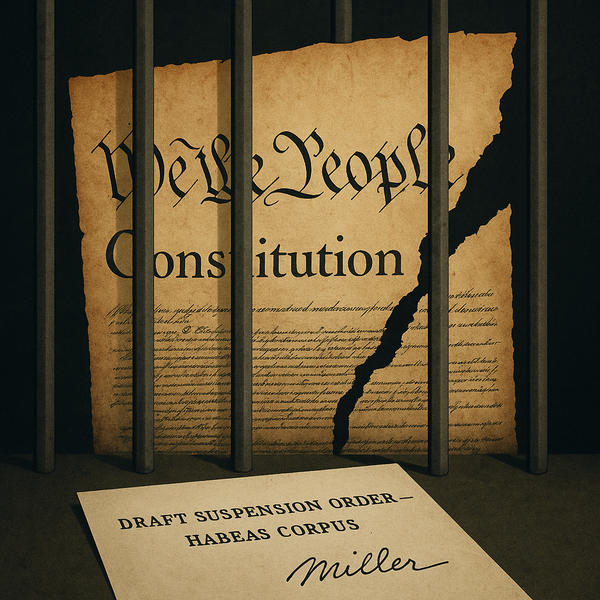
This isn't merely about campaign finance rules or bureaucratic positions. When the FEC cannot function, it means the fundamental promise of free and fair elections—the bedrock of democratic legitimacy—becomes unenforceable. When watchdog agencies are deliberately starved of leadership, it means the constitutional principle of checks and balances becomes theoretical rather than practical.
The genius of this approach lies in its banality. There are no jackboots in the streets, no dramatic proclamations of dictatorship. Just empty offices, unfilled positions, and agencies unable to fulfill their mandates—all while the public is directed to look elsewhere. The noise of daily controversy drowns out the signal of systematic institutional destruction.
History teaches us that democracies rarely die in dramatic confrontations. They wither when citizens believe their immediate economic concerns outweigh the preservation of the institutions that protect their freedoms. They fade when the machinery of accountability rusts unused. They end when "temporary" measures become permanent while we're looking elsewhere.
The signal amid today's noise is clear: The administration isn't merely violating norms but dismantling the very infrastructure that makes constitutional governance possible. The courts may eventually intervene, but by then, the damage to institutional capacity may be irreversible.
The question before us isn't whether we'll have bread on our tables tomorrow, but whether we'll still have a republic capable of ensuring justice for all. When the watchdogs are silenced, the wolves do not suddenly become virtuous.
Good night, and good luck.
Channeling Murrow's voice for today's America - not his words, but his principles.